
外国友人探访阳信鼓子秧歌展厅 解锁非遗里的中国文化
大众报业·齐鲁壹点 2026-03-30 09:59:19
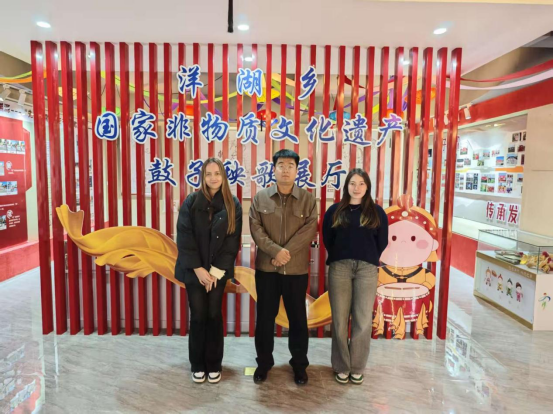
3月21日,一场友好城市文化交流活动在洋湖乡鼓子秧歌红色教育展厅开展。此次活动由阳信县委宣传部组织,特别邀请了法国友人郭俊雅、俄罗斯友人米娅走进展厅,沉浸式体验中国家级非遗鼓子秧歌的文化魅力。
洋湖乡作为鼓子秧歌重要发源地,这项艺术始于前唐,融民间祈福、武术动作与集体表演于一体,以刚劲雄浑的舞姿、铿锵有力的鼓点为特色,分 “伞、鼓、棒、花” 四大角色,各有章法、配合默契,既是田间地头的民俗盛宴,更在岁月中融入红色基因,成为独具特色的文化符号。
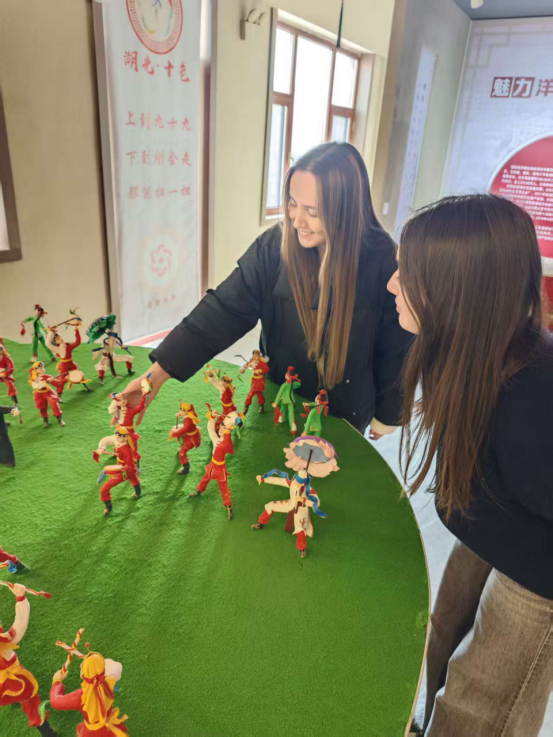
在讲解员的带领下,两位外国友人漫步展厅,从鼓子秧歌的历史溯源展陈,到绣纹精美的秧歌服饰、由古兵器演变而来的鼓棒道具,再到红色传承主题展区,丰富的展陈内容让两位友人目不暇接。她们认真聆听鼓子秧歌从民间祈福民俗,到革命年代以表演为掩护传递情报、支援前线,再到如今创新编排、走进校园与舞台的全历程,并不时驻足细看,用手机记录下特色展品与文字介绍。
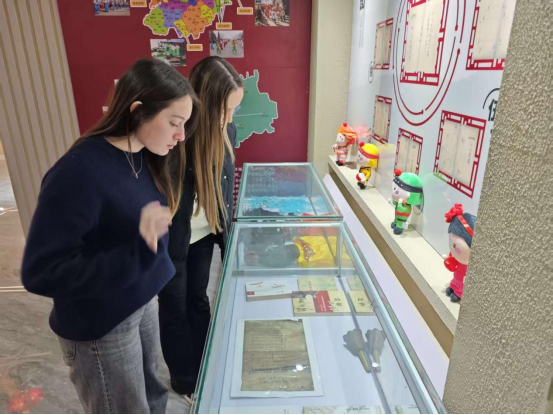
参观中两位友人兴致十足,不停和工作人员交流提问。郭俊雅夸赞秧歌服饰的绣花手工精致,花样好看,代表吉祥寓意。米娅对角色分工更感兴趣,“伞”领舞指挥,“鼓”刚劲有力,“棒”灵动活泼,“花”柔美舒展。每一种角色的独特设定和表演形式都让米娅感到惊讶。
阳信县委宣传部相关负责人表示,此次交流活动,是阳信非遗文化走向国际的一次生动实践。未来将继续组织更多类似的文化交流活动,让阳信鼓子秧歌走向世界,让更多人了解中国优秀的传统文化。
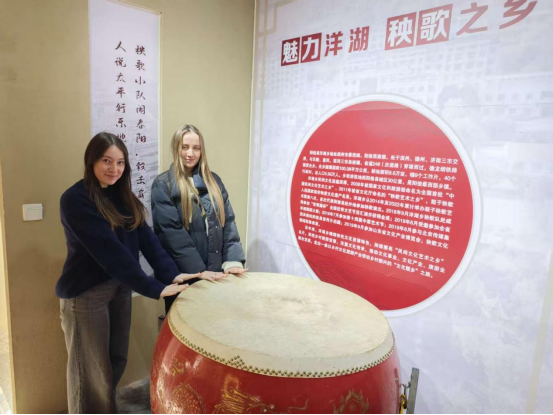
Foreign Friends Visit the Yangxin Guzi Yangko Exhibition Hall and Discover Chinese Culture Through Intangible Cultural Heritage
On March 21, 2026, a cultural exchange activity between friendly cities was held at the Guzi Yangko Red Education Exhibition Hall in Yanghu Township. Organized by the Publicity Department of the Yangxin County Party Committee, the event specially invited French guest Guo Junya and Russian guest Mia to visit the exhibition hall and experience firsthand the cultural charm of Guzi Yangko, a national-level intangible cultural heritage of China.
As one of the important birthplaces of Guzi Yangko, Yanghu Township has preserved this art form, which dates back to the pre-Tang period. Integrating folk blessing rituals, martial arts movements, and group performance, Guzi Yangko is known for its vigorous and powerful dance movements and its sonorous, forceful drumbeats. It is traditionally divided into four major roles—“Umbrella,” “Drum,” “Stick,” and “Flower”—each with its own distinct performance style and working in close coordination with the others. It is not only a vibrant folk celebration once performed in the fields and villages, but has also, over time, absorbed revolutionary heritage and become a uniquely symbolic cultural tradition.
Guided by a docent, the two foreign guests strolled through the exhibition hall, taking in everything from displays tracing the historical origins of Guzi Yangko, to exquisitely embroidered Yangko costumes, drumstick props evolved from ancient weapons, and a special exhibition area dedicated to red heritage. The rich and diverse exhibits left them fascinated at every turn. They listened attentively to the full story of Guzi Yangko—from its beginnings as a folk ritual for blessings, to its use during the revolutionary era as a cover for passing intelligence and supporting the front lines, and finally to its present-day innovative adaptations for schools and stage performances. From time to time, they stopped to take a closer look and used their phones to record distinctive exhibits and written introductions.
Throughout the visit, the two guests showed great enthusiasm, constantly asking questions and interacting with the staff. Guo Junya praised the exquisite embroidery on the Yangko costumes, saying the patterns were beautiful and carried auspicious meanings. Mia was especially interested in the division of roles: the “Umbrella” leads and directs the performance, the “Drum” is strong and forceful, the “Stick” is lively and agile, and the “Flower” is graceful and flowing. The unique design and performance style of each role impressed and surprised her.
A representative of the Publicity Department of the Yangxin County Party Committee said that this exchange activity was a vivid example of Yangxin’s intangible cultural heritage stepping onto the international stage. In the future, more similar cultural exchange activities will continue to be organized, allowing Yangxin Guzi Yangko to reach a wider global audience and helping more people understand the excellence of traditional Chinese cu
责任编辑:董丽霞