
山东阳信:中韩云端牵手,共赏鲁北民俗魅力
大众报业·齐鲁壹点 2026-08-26 11:30:06
2026年8月7日,阳信县委宣传部组织中韩友好学校线上交流活动,邀请全北大学郑㥠允、又石大学金施温、韩国航空大学罗煐舒、徐沅、金信荣等韩国学子,线上探访鲁北民俗文化产业园,沉浸式感受鲁北传统木作与民俗文化魅力。
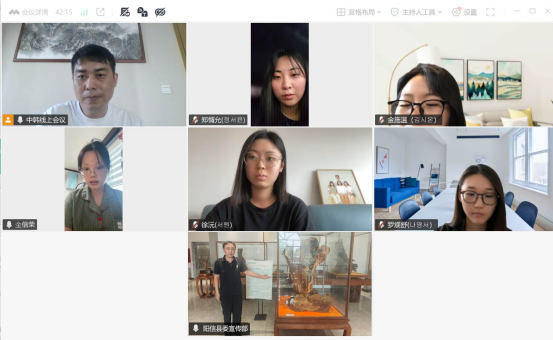
鲁北民俗文化产业园坐落于阳信县水落坡镇,是江北重要的古旧家具、木雕古玩集散地,集老木新作、工艺家具加工、古玩交易、民俗研究与文旅体验于一体。园区集聚商户2000余家,从业人员近3万人,辐射周边37个古典家具专业村,年产值达60亿元,产品远销海外,为山东省特色专业镇试点。当地木作产业可追溯至上世纪六十年代的古旧家具修缮行业。园区传承榫卯、木雕传统技艺,对古旧器物修复再造,让老物件兼具历史底蕴与现代审美。
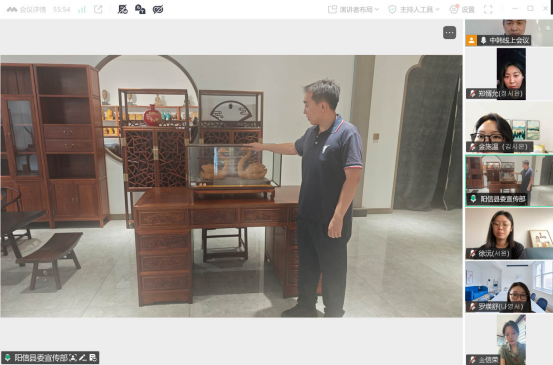
线上交流中,讲解员向韩国学子介绍木作产业发展历程,展示古家具修复、木雕雕刻技艺,展出明清家具、木雕摆件、民俗文创等作品,讲解中式榫卯工艺特色。韩国学子围绕雕刻技法、纹样寓意、文创开发、传统技艺创新等踊跃提问,赞叹黄河三角洲孕育的中式木作美学,对匠人守正创新、以特色产业带动群众增收的实践给予好评。
此次云端交流,让韩国青年真切领略鲁北民俗文化独特韵味。下一步,阳信县将立足鲁北民俗文化产业园资源优势,持续深化跨国青年文化交流互动,充分挖掘传统木作民俗时代价值,讲好地方特色文化故事。
Shandong Yangxin: China-South Korea Join Hands Online to Appreciate the Charm of Northern Shandong Folk Culture
On August 7,2026,the Publicity Department of the Yangxin County Party Committee organized an online exchange between China-South Korea friendship schools, inviting Korean students including Jeong Hye-yun from Jeonbuk National University, Kim Si-on from Woosuk University, and Na Yeong-su, Seo Won, and Kim Shin-young from Korea Aerospace University to explore the Northern Shandong Folk Culture Industrial Park online and experience the charm of traditional woodworking and folk culture in Northern Shandong.
Located in Shuiluopo Town, Yangxin County, the Northern Shandong Folk Culture Industrial Park is an important distribution center for antique furniture and woodcarvings in northern China. It integrates new creations from old wood, traditional furniture processing, antique trading, folk culture research, and cultural tourism experiences. The park is home to more than 2,000 businesses and nearly 30,000 employees, covering 37 surrounding villages specializing in classical furniture. With an annual output value of 6 billion yuan, its products are exported overseas, and the park has been selected as a pilot site for specialized towns in Shandong Province. The local woodworking industry can be traced back to the antique furniture restoration business of the 1960s.
During the online exchange, the guide introduced the development of the woodworking industry to the Korean students, demonstrated antique furniture restoration and woodcarving techniques, and displayed works including Ming and Qing Dynasty furniture, woodcarved ornaments, and folk cultural creative products. The guide also explained the distinctive features of traditional Chinese mortise-and-tenon craftsmanship. The Korean students actively asked questions about carving techniques, the meanings behind decorative patterns, cultural and creative product development, and innovation in traditional craftsmanship. They expressed their admiration for the aesthetics of Chinese woodworking nurtured by the Yellow River Delta and praised the craftsmen’s commitment to preserving traditions while embracing innovation, as well as their efforts to increase local residents’ incomes through distinctive industries.
This online cultural exchange gave Korean youth an opportunity to experience the unique charm of Northern Shandong folk culture. Going forward, Yangxin County will build on the resource advantages of the Northern Shandong Folk Culture Industrial Park, continue to deepen cross-border cultural exchanges and interactions among young people, fully explore the contemporary value of traditional woodworking and folk culture, and tell compelling stories of the region’s distinctive cultural heritage.
责任编辑:董丽霞