
好想你,文德安!一个中国农民和一个美国教授跨越山海的“考古情缘”
大众新闻·大众日报 丁兆霞 毕淑雅 2026-10-27 21:16:15原创
I've Missed You So Much, Anne!
— An Archaeological Bond Across Mountains and Seas Between a Chinese Villager and an American Professor
On October 22, a cool sea breeze swept through Rizhao, a coastal city in China. At the museum under construction at the Liangchengzhen site, Anne Underhill, her hair now silver, had arrived early and was waiting in the courtyard.
Soon, a familiar figure appeared at the entrance.
"Hello, Professor Underhill!"
"Oh, I'm so happy! Thank you for coming!"
"I've missed you so, so much! How have you been?"
"Very well!"
...
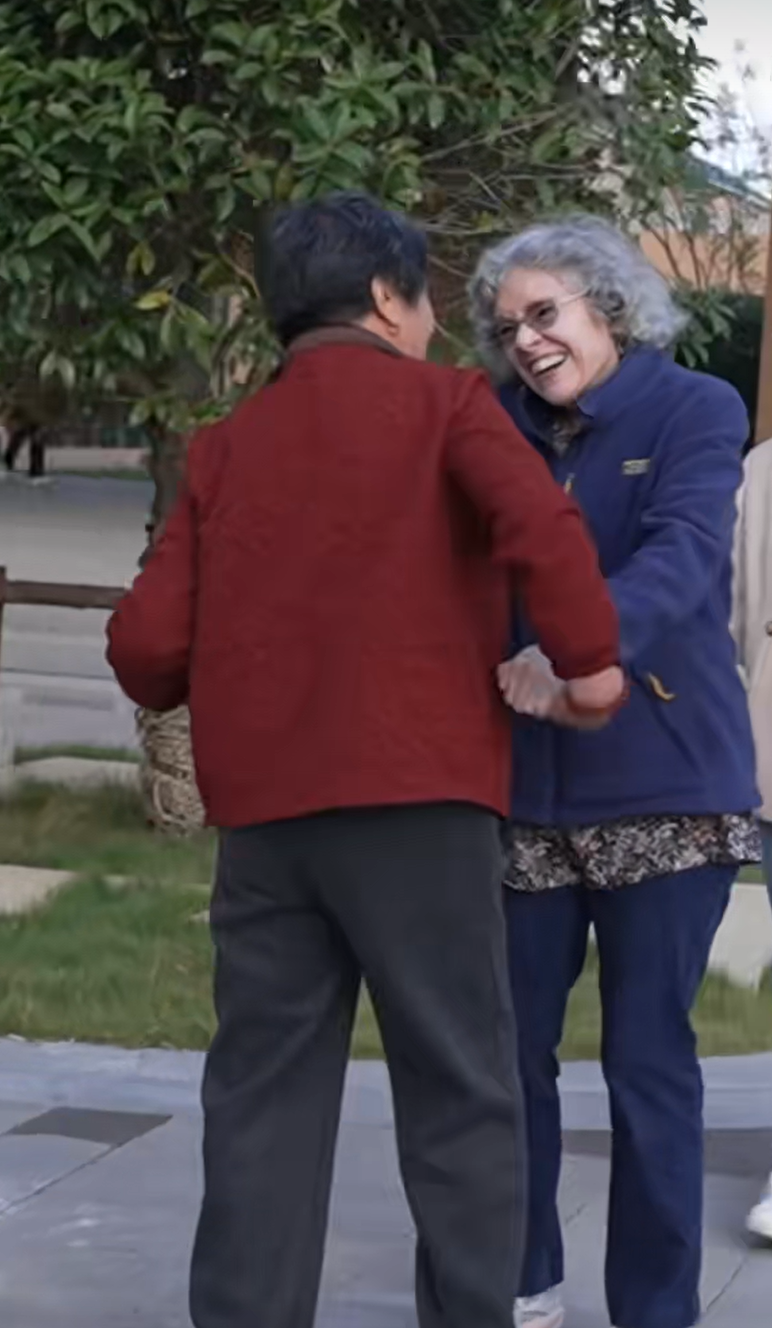 Anne Underhill (right) reunites with Zhou Jialian in Rizhao, Shandong, on October 22, after a decade apart. (Screenshot from video)
Spotting each other from a distance, the two women recognized one another instantly. Smiling, they hurried forward and embraced warmly. It had been ten years since they last saw each other.
Anne Underhill is a professor in the Department of Anthropology at Yale University in the United States. She had come to Rizhao to attend a symposium on the creative transformation and innovative development of Dongyi culture. The woman she was waiting to greet was Zhou Jialian, an ordinary villager from Liangcheng No. 6 Village, Liangcheng Subdistrict, Rizhao Shanhaitian Tourism Resort.
In 1995, Underhill arrived in Rizhao as the U.S. leader of a Sino-US archaeological research team. Over the following years, she and her colleagues conducted 13 years of archaeological surveys across southeastern Shandong centered on Liangchengzhen, along with three years of regional archaeological investigations in the excavation area of the Liangchengzhen site. During that time, she spent more than 20 days working in the courtyard of Zhou's home.
"We were partners. She dug the soil, and I carried it away. Whenever I did something wrong, she would say, 'OK, OK,'" Zhou recalled, laughing heartily.
Although language was a barrier, their simple, heartfelt kindness brought them together. An ordinary Chinese villager and an American professor forged an extraordinary friendship through their shared archaeological work.
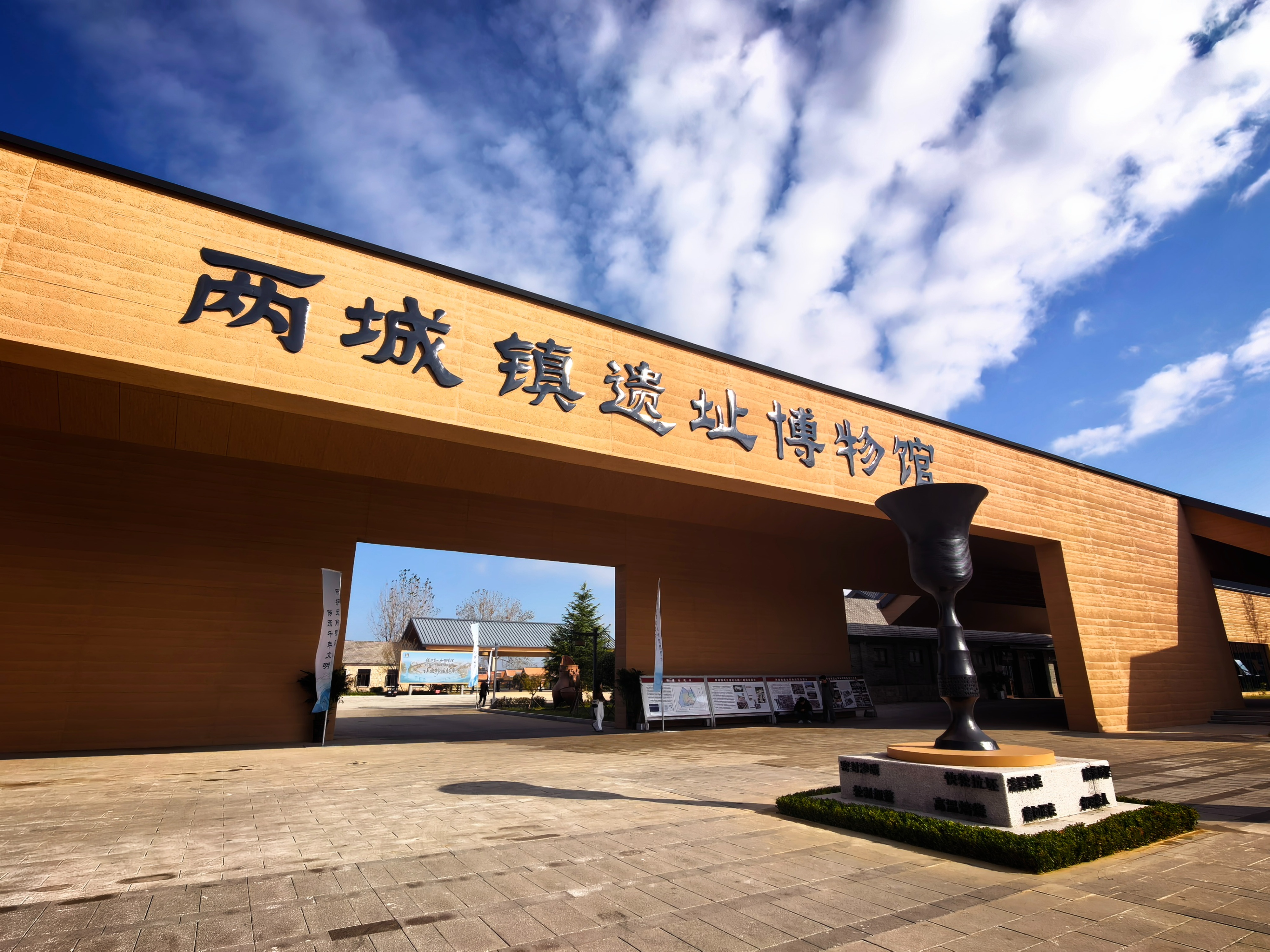 The Liangchengzhen Site Museum in Rizhao, currently under construction. (Photo by Ding Zhaoxia)
Dating to approximately 4400–3800 years ago, the Liangchengzhen site is a representative site of the Neolithic Longshan culture. Gao Guangren, a renowned Chinese archaeologist, once hailed it as a "sacred site of archaeology." In 1936, Liang Siyong, Qi Yanpei, and other pioneers of Chinese archaeology sank the first exploratory spade into the ground at the Liangchengzhen site. In 1995, a joint archaeological research team formed by Shandong University, Yale University, and other institutions in China and the United States began systematic surveys, exploration, and excavations at the site and in the surrounding area.
Underhill was the U.S. leader of the team. Through her and the team's efforts, the systematic regional survey method developed in the West was applied on a large scale in China for the first time. The scope of research expanded from a single archaeological site to a vast area of 3,800 square kilometers in southeastern Shandong. More than 6,000 archaeological sites were documented, revealing a settlement hierarchy consisting of three levels: major centers, towns, and villages.
In recognition of her outstanding contributions, Underhill received the Field Archaeology Award from China's National Cultural Heritage Administration and the Chinese Government Friendship Award. She was also named an Honorary Citizen of Rizhao.
For Underhill, Liangchengzhen has become much more than an archaeological site.
"I feel that Rizhao is my second home, so I'm especially happy to be back in Liangcheng to see my friends and see how Rizhao has changed," she said. "I feel very fortunate to have witnessed the tremendous changes that have taken place in every aspect of Rizhao over the past 30-plus years."
For Zhou, the American professor is no distant academic, either. She is an old friend who once crouched down to dig in her courtyard and chat with her.
As they prepared to say goodbye, the two old friends held on to each other's hands for a long, long time.
(By Ding Zhaoxia and Bi Shuya, Reporters for Dazhong News)
好想你,文德安!
——一个中国农民和一个美国教授跨越山海的“考古情缘”
10月22日,中国海滨小城日照海风微凉。在在建的两城镇遗址博物馆,满头银发的文德安早早地等候在院内。
很快,一个身影出现在了博物馆大门口。
“文教授,你好!”
“我好高兴啊,谢谢你过来!”
“哎呀,好想你好想你!身体好吗?”
“很好!”
……
10月22日,山东日照,文德安(右)与周加莲时隔十年再次见面。(视频截图)
遥遥相望,两人一眼认出彼此,快步上前笑着紧紧相拥。两人上一次见面还是十年前。
文德安(Anne Underhill),美国耶鲁大学人类学系教授。此番来到日照,是为出席日照市东夷文化“两创”研讨会。而她迎候的这个人叫周加莲,是日照市山海天旅游度假区两城街道两城六村的一名普通村民。
1995年,文德安作为中美联合考古队的美方负责人来到日照,随后在以两城镇为中心的鲁东南地区开展了长达13年的考古调查、3年的两城遗址发掘区域考古调查。这期间,她曾在周加莲家的院子里一干就是20多天。
“我们是搭档。她挖土,我提土。我干错的时候,她就‘OK,OK’。”谈起当年,周加莲开怀大笑。
语言不太通,可那份朴素的善意,把两人的心拉到了一起。一个中国村民,一个美国教授,由此结下了一段动人的中美联合考古情缘。
在建的日照两城镇遗址博物馆。(记者 丁兆霞 报道)
两城镇遗址,是距今约4400—3800年新石器时代龙山文化时期的典型遗址之一,被我国著名考古学家高广仁先生称誉为“考古圣地”。1936年,梁思永、祁延霈等中国第一代考古学家在这里挥下两城镇遗址勘探第一铲;1995年,山东大学与美国耶鲁大学等组成中美联合考古队,开始对遗址及周边展开系统的调查、勘探与发掘。
文德安,正是这支队伍的美方负责人。在她和团队的努力下,西方成熟的“区域系统调查”方法首次大规模落地中国,研究视角从“一个点”拓展至鲁东南3800平方公里广阔地域,6000余处遗址被记录,“都、邑、聚”三级聚落体系随之浮出水面。凭借突出贡献,文德安先后获得中国国家文物局“田野考古奖”和“中国政府友谊奖”,并被授予“日照市荣誉市民”称号。
对文德安来说,两城镇已不只是一处考古遗址。“我觉得日照是我的第二个家,所以我特别高兴回来两城,看看朋友,看看日照的变化。”她说,“很幸运,30多年来,我目睹日照方方面面发生着巨大的变化。”
对周加莲来说,这位美国教授也不是遥远的学者,而是当年在自家院子里蹲着挖土、一起聊天的“老姐妹”。
临别的时候,这对中美“老姐妹”的手,握了很久。
(大众新闻记者 丁兆霞 毕淑雅 报道)
责任编辑:李玫萱