
济南这家老街小店,讲述中欧班列的故事
大众新闻·大众日报 常青 常青 2026-11-01 22:19:08原创
漫步山东济南的上新街,青砖灰瓦的百年历史街区里,藏着一家特别的小店。推开店门,一股面包香气扑面而来。店里现烤面包用的,正是搭乘山东中欧班列运回的俄罗斯面粉;货架上,塞尔维亚果酒、欧洲乳制品、沿线国家零食整齐陈列。这家店白天可以进店选购、品尝烘焙;夜间开启24小时自助购物。来逛老街的市民和游客,不用海淘代购,在家门口就能买到欧亚多国特产。
Along Shangxin Street in Jinan, Shandong, sits a unique shop tucked inside a century-old historic quarter lined with grey brick walls and tiled roofs. Step inside, and you are greeted by the aroma of freshly baked bread. The bread is made with Russian flour shipped back via the Shandong China-Europe Railway Express. Serbian fruit wine, European dairy products and snacks from countries along the rail route line its shelves. The shop welcomes shoppers and pastry tastings by day, and switches to 24-hour self-service shopping overnight. Locals and visitors wandering the old street no longer need cross-border online shopping; they can buy specialty goods from many European and Asian countries right here.
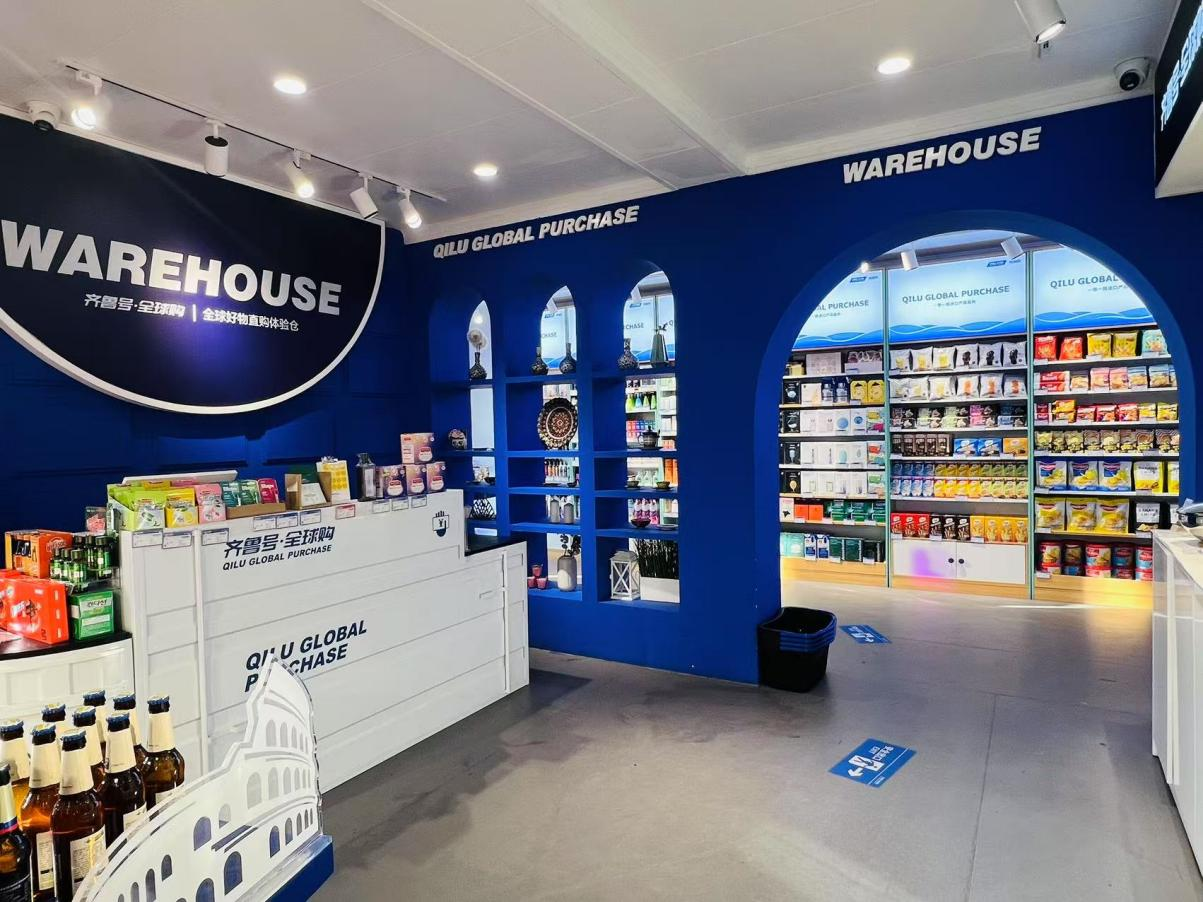
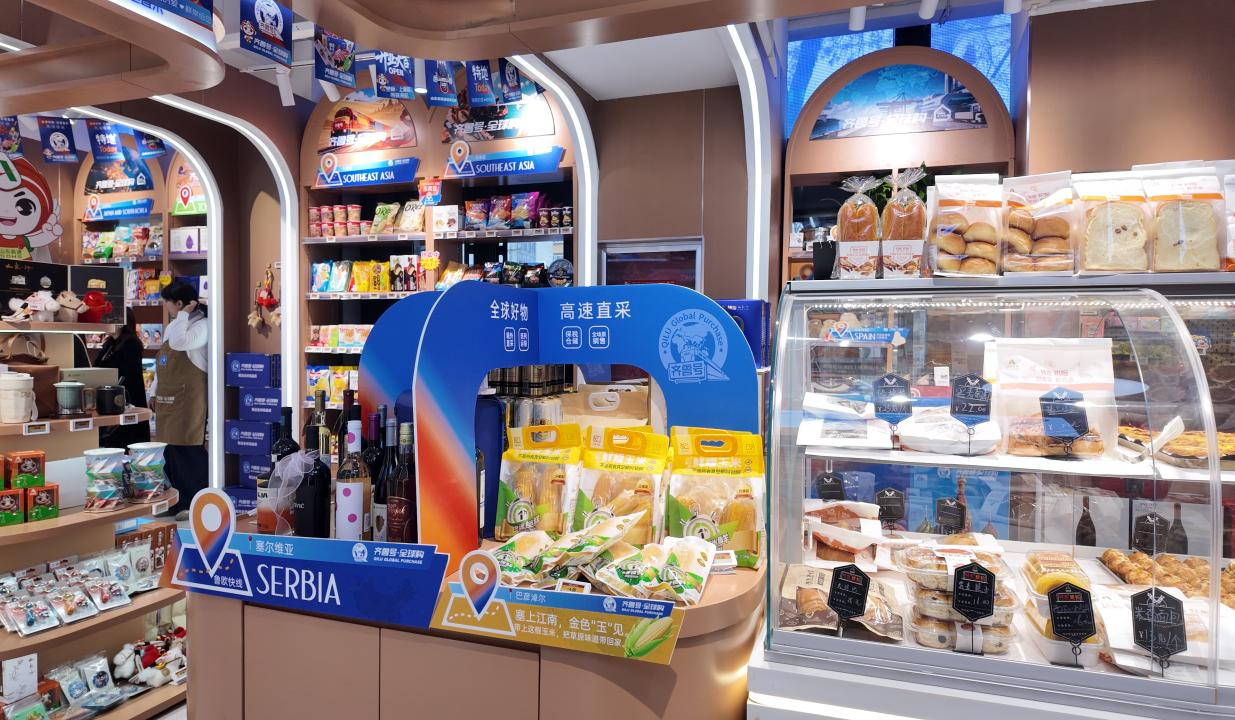
这家小店,就是中欧班列惠及普通人最直观的窗口。店里大部分进口商品,都坐着 “钢铁驼队”从数千公里外运回。透过货架上这些商品,我们能清晰看见山东中欧班列集装箱里,这些年发生的变化。
This small shop offers a tangible glimpse of how the China-Europe Railway Express benefits ordinary people. Most imported goods here travel thousands of kilometres aboard these "steel camels". From the products on its shelves, we can clearly see the dramatic shift in cargo carried by Shandong’s China-Europe freight trains over the years.
2018 年 10 月 31 日,山东中欧班列发出首班列车。开行初,班列的集装箱里装的大多是建材、工业机械、汽车配件、衣物、日用小商品、粮食等低附加值的产品。不少来自临沂、菏泽的中小商户,靠着班列把手工制品、家居杂货送到俄罗斯、中亚市场。那时候,去程箱子满满当当,返程经常是空箱,通道更偏向单向送货。伴随不断发展,如今箱子里的东西悄悄换了主角。
The first Shandong China-Europe Railway Express train departed on October 31, 2018. In the early days, its containers mostly carried low-value goods: construction materials, industrial machinery, auto parts, clothing, small daily commodities and grain. Many small and medium merchants from Linyi and Heze used the trains to deliver handmade goods and household sundries to markets in Russia and Central Asia. Back then, containers were full on outbound trips, but often empty on the return journey. The route operated largely as one-way delivery.As the service expanded, the cargo loaded inside containers gradually took on a new profile.
在济南董家镇班列集结中心,货运员牟林,是这场货物变迁最直接的见证者。从事货运二十余年,他亲眼看见集装箱里货品的迭代。早年开箱,大多是瓶盖、衣物这类日用小商品;而现在,他经常要为拖拉机、光伏设备等高价值大件货物量身设计装载加固方案。一批运往匈牙利布达佩斯的拖拉机,要用专用钢丝绳和卡扣牢牢固定,才能安稳跨越亚欧大陆。
At the Dongjiazhen Rail Freight Hub in Jinan, freight officer Mu Lin has witnessed this cargo transformation firsthand. With more than 20 years working in freight transport, he has watched container contents evolve. Years ago, shipments mostly included everyday items such as bottle caps and clothing. Today, he often designs custom loading and securing plans for large, high-value cargo like tractors and photovoltaic equipment. One batch of tractors bound for Budapest, Hungary required special steel cables and buckles to keep them secure across the long European and Asian journey.
如今,电视、冰箱、洗衣机、空调成为班列运输的 “主力军”,新能源汽车、燃油车整车也是 “常客”,轮胎、聚氨酯、太阳能组件等也是常见货源。一箱箱货物的升级,就是这条钢铁驼队成长最真实的印记。
Today, TVs, refrigerators, washing machines and air conditioners form the main cargo. New energy vehicles and conventional fuel cars are also frequent shipments. Tires, polyurethane and solar modules are commonly transported as well. This upgrade in cargo is the clearest marker of how these steel camels have matured.
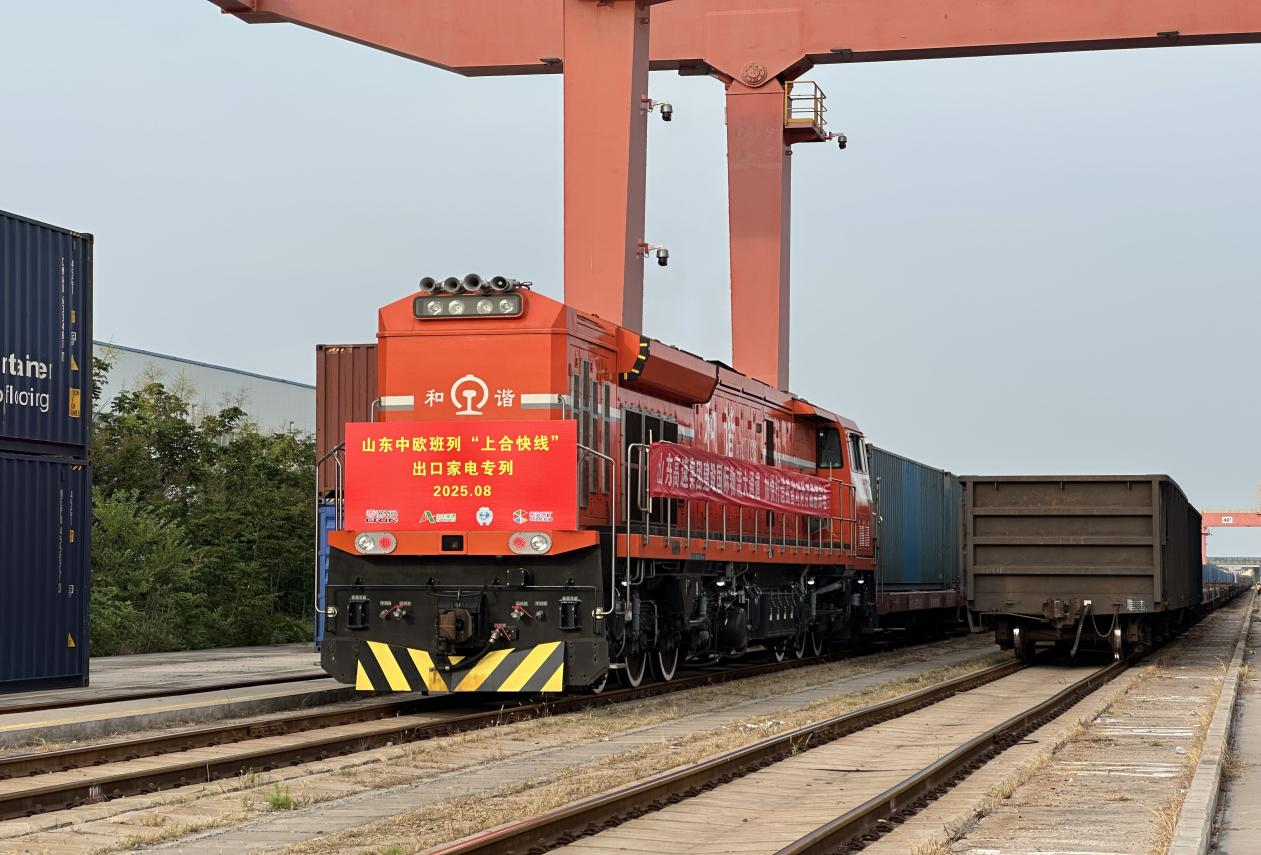
变化的不只是出口。回程的集装箱,正慢慢载满货物。哈萨克斯坦的小麦粉、塞尔维亚果酒、欧洲乳制品、木材,跟着班列运回山东。这些来自欧亚各国的特产,不用再等待漫长海运,快速从班列场站送到门店,走进普通人的生活,上新街这家全球购就是其中一站。
The transformation is not limited to outbound shipments. Return containers are increasingly filled with goods. Wheat flour from Kazakhstan, Serbian fruit wine, European dairy products and timber travel back to Shandong aboard the trains. These European and Asian specialties no longer require lengthy ocean voyages. They travel quickly from rail terminals to retail shops and into ordinary people’s lives, including this global goods store on Shangxin Street.
这是双向的生意:山东商品出海,海外特产找到进入中国市场的稳定通路。受益的,不只是企业工厂,还有千千万万中小企业和普通人。
This is two-way trade: Shandong-made goods head overseas, while foreign specialties gain reliable access to the Chinese market. The beneficiaries are not only large factories, but also countless small businesses and everyday people.
临沂商城的小商户,可以借助中欧班列的拼箱服务,把自家小商品、五金件搭上列车销往欧亚,不用承担整箱高昂运费,小生意也能做跨国贸易。远在白俄罗斯的机车工厂,依靠山东生产的精密火车轮维持生产线运转。
Small merchants at Linyi Trade City leverage the train’s consolidated container service to ship small wares and hardware across Europe and Asia. They do not need to pay for a full container, making cross-border trade feasible for small businesses. A locomotive factory in Belarus relies on precision train wheels manufactured in Shandong to keep its production line running.
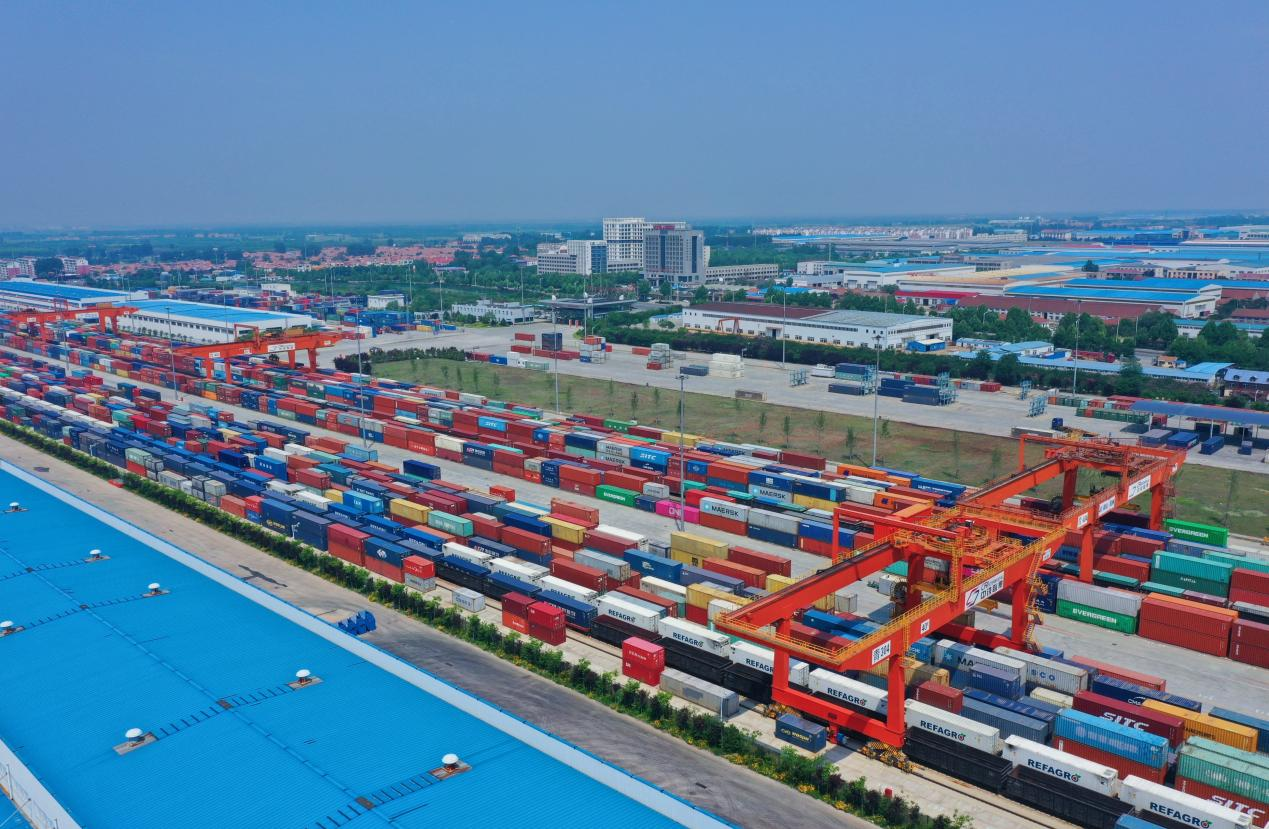
欧洲夏季用电紧张时,山东空调、冰箱搭上专列,十几天就能送到欧洲家庭;国产新能源车、工程机械,通过这条陆路通道直达中亚、俄罗斯,不用再等待漫长的海运。海运往往要 40 天左右,中欧班列只要半个月上下,订单交付更稳,海外消费者能更快拿到产品。
When Europe faces summer power crunches, air conditioners and refrigerators made in Shandong are loaded onto the trains and reach European households in just over ten days. Domestic new energy vehicles and construction machinery travel along this land route straight to Central Asia and Russia, avoiding long delays at sea. Sea transport normally takes roughly 40 days, while the rail trip takes about two weeks. Deliveries become more dependable, and overseas customers receive their products faster.
过去,不少欧洲物流从业者曾提出顾虑:不同国家铁轨标准不同、口岸换轨、通关查验会带来延误;早期班列空箱率高,外界也曾质疑它的经济可持续性。但多年的实践证明,班列找到了自己的定位:它不和海运竞争大批量低价货物,而是服务对时效敏感的高价值商品。对沿线普通商户、工厂工人、消费者来说,它只是多了一条可以选择的陆路物流通道,多了一份稳定。
In the past, many European logistics professionals raised practical concerns. Differing rail gauges across borders, gauge transfers at frontier ports and customs inspections can create delays. In the early years, high empty-container rates sparked doubts over the service’s long-term economic viability. Years of operation have proven the trains have found their niche. It does not compete with ocean shipping for bulk low-cost goods. Instead, it serves time-sensitive, high-value cargo. For traders, factory workers and consumers along the route, it simply provides an extra land logistics option and greater reliability.
货物的更迭,本质上是普通人需求的变化。今天,欧亚两地的家庭、小商家,需要更稳定的工业品、绿色能源产品,还有来自异国的食材。一箱箱货物来回穿梭,背后是两地普通人互通有无。就像上新街这家小店,百年老街与跨国列车在此相遇,远方国度的风味,直接来到普通人的日常生活里。
The shift in cargo fundamentally reflects changing demands among ordinary people.Today, families and small businesses across Europe and Asia need dependable industrial goods, green energy products and exotic food ingredients. Containers shuttle back and forth, representing ordinary people exchanging goods between continents. Much like this shop on Shangxin Street, where a century-old alley meets transcontinental rail. Flavours from distant lands arrive directly in people’s daily lives.
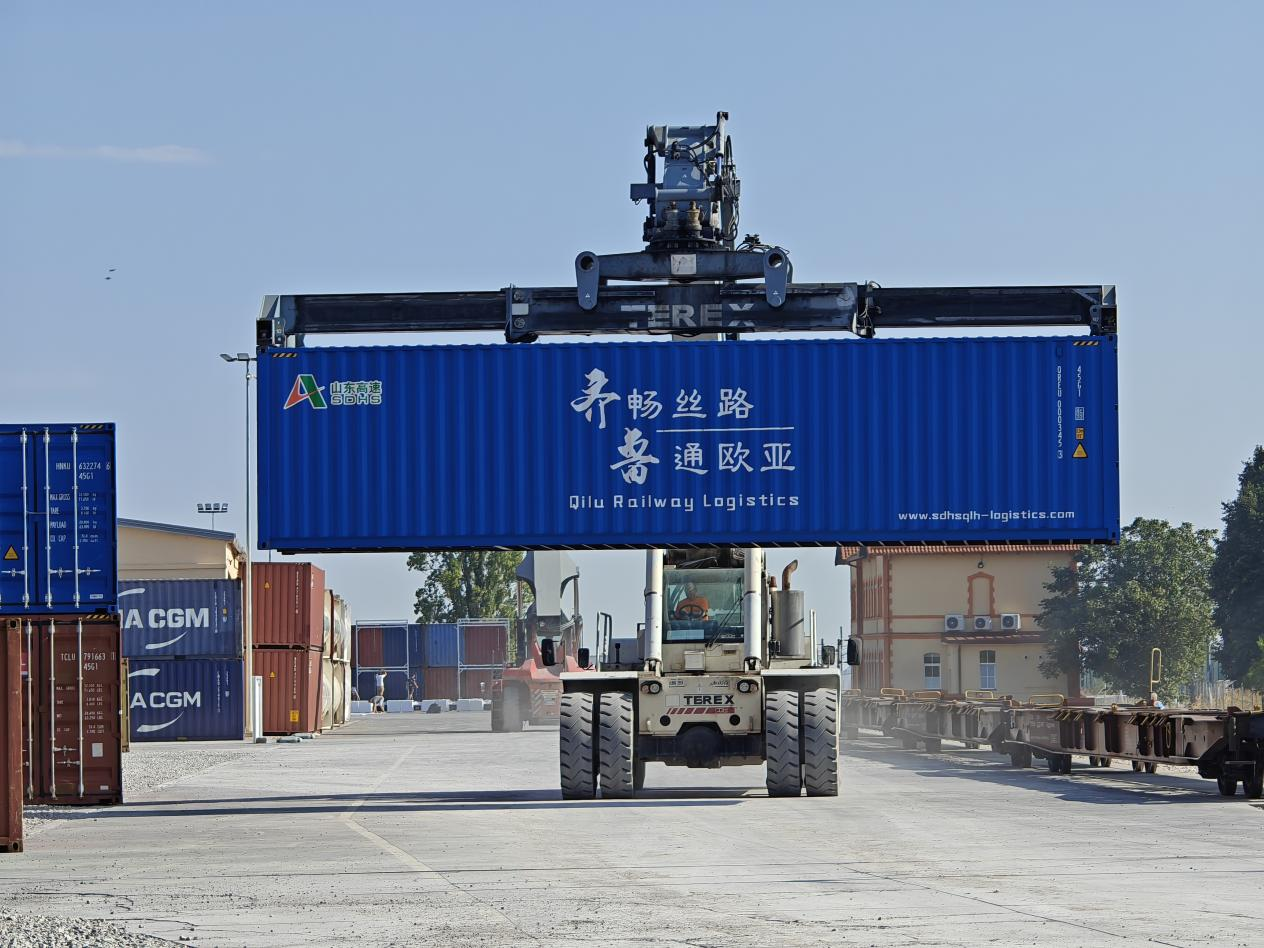
一列列车,一箱箱货物。一趟双向奔赴的旅途,连接起欧亚普通人的生意与生活。
One train, container after container. This two-way journey links the businesses and daily lives of ordinary people across Europe and Asia.
(大众新闻记者 常青)
责任编辑:李玫萱